Table of Contents
The flight simulation landscape has evolved dramatically over the past decade, transforming from a niche hobby into a mainstream gaming genre that attracts everyone from casual aviation enthusiasts to professional pilots maintaining their instrument proficiency. As we look toward 2026, the hardware that powers these virtual experiences has become increasingly sophisticated, with flight sticks offering levels of realism and precision that blur the line between simulation and reality. Whether you’re navigating a Cessna through turbulent weather or executing combat maneuvers in a modern fighter jet, the right flight control system can fundamentally transform your experience from merely playing a game to actually feeling like you’re commanding an aircraft.
Choosing the perfect PC flight stick requires understanding a complex ecosystem of features, technologies, and design philosophies that cater to different types of virtual aviators. The market has expanded to include everything from compact entry-level controllers to elaborate HOTAS (Hands On Throttle-And-Stick) setups that replicate actual cockpit configurations. With manufacturers continuing to innovate at a rapid pace, 2026 promises even more advanced options featuring improved sensor technology, better build quality, and deeper integration with popular simulation platforms. This comprehensive guide will walk you through everything you need to know to make an informed decision without getting lost in technical jargon or marketing hype.
Top 10 PC Flight Sticks
Detailed Product Reviews
1. Thrustmaster T-Flight Hotas X (Compatible with PC)

Overview:
The Thrustmaster T-Flight Hotas X is an entry-level Hands On Throttle-And-Stick system designed for PC gamers entering the flight simulation genre. This budget-friendly combo offers essential controls without overwhelming newcomers, featuring a detachable throttle unit and joystick that connect via a single USB cable.
What Makes It Stand Out:
The internal memory system preserves your custom programming even when disconnected, a rare feature at this price point. Its dual-system rudder control—via rotating handle or progressive tilting lever—provides flexibility for different aircraft types. The wide hand-rest and weighted base deliver surprising comfort and stability during extended sessions.
Value for Money:
At under $80, this HOTAS delivers exceptional value for casual sim pilots. While lacking Hall-effect sensors and premium materials, it outperforms cheaper no-name alternatives and serves as a perfect stepping stone before investing in high-end gear like the X56 or Warthog.
Strengths and Weaknesses:
Strengths include comfortable ergonomics, reliable performance for entry-level use, programmable buttons, and stable base. Weaknesses involve plastic construction feels toy-like, limited 12 buttons and 5 axes restrict complex simulations, and the throttle lacks precision for advanced maneuvers. The cable tethering throttle to joystick limits positioning flexibility.
Bottom Line:
The T-Flight Hotas X is the ideal starter HOTAS for budget-conscious pilots. It provides a solid foundation for Microsoft Flight Simulator or Elite Dangerous without breaking the bank, though serious enthusiasts will quickly outgrow its capabilities.
2. Logitech G X56 H.O.T.A.S Throttle and Joystick Flight Simulator Game Controller, 4 Spring Options, +189 Programmable Controls, RGB Lighting, 2x USB, PC - Black

Overview:
The Logitech G X56 represents the pinnacle of consumer HOTAS systems, engineered for hardcore flight and space simulation enthusiasts. This premium controller features separate joystick and throttle units with military-grade precision, offering an unprecedented level of customization for demanding virtual pilots.
What Makes It Stand Out:
With over 189 programmable controls, mini analog sticks for 6DOF movement, and RGB backlighting, the X56 transforms simulation gaming. Hall-effect sensors provide 16-bit accuracy without contact degradation, while the advanced 4-spring system lets users tailor stick resistance. The VR-optimized button differentiation enables blind operation.
Value for Money:
Priced around $250, the X56 sits in the premium tier but justifies its cost through professional-grade components and unmatched versatility. It competes directly with Thrustmaster’s Warthog but offers more programmable inputs and modern features, making it a better value for space sim pilots.
Strengths and Weaknesses:
Strengths include exceptional precision, extensive customization, robust software suite, twin throttles with friction control, and immersive RGB lighting. Weaknesses involve occasional quality control inconsistencies, complex setup process, stiff throttle movement out of the box, and high price barrier for newcomers.
Bottom Line:
For serious simulation enthusiasts seeking comprehensive control, the X56 is unbeatable. Its precision and feature set excel in DCS World, Star Citizen, and Elite Dangerous, making it a worthwhile investment for dedicated virtual aviators despite its premium price.
3. Thrustmaster T 16000M SPACE SIM DUO STICK (Compatible with PC)

Overview:
The Thrustmaster T.16000M FCS Space Sim Duo is a specialized dual-joystick setup engineered specifically for space simulation titles requiring six degrees of freedom. This ambidextrous pair delivers precision control for games like Star Citizen and Elite Dangerous where independent thruster and orientation control provides competitive advantage.
What Makes It Stand Out:
The magnetic Hall-effect sensors ensure surgical precision without dead zones or drift, while the Braille-style button identification enables blind operation. Complete ambidextrous design with three detachable components allows true left/right customization. The T.A.R.G.E.T software enables complex macros and profile sharing.
Value for Money:
At approximately $130 for the pair, this duo offers excellent value for space sim enthusiasts. Purchasing two separate premium sticks would cost significantly more, and the integrated design ensures perfect compatibility. It outperforms cheaper analog stick alternatives while remaining accessible.
Strengths and Weaknesses:
Strengths include unmatched precision for space sims, ergonomic weighted bases, 32 action buttons across both sticks, and versatile software. Weaknesses involve limited appeal for atmospheric flight sims, substantial desk space requirements, lack of integrated throttle axis, and learning curve for dual-stick configuration.
Bottom Line:
For space simulation devotees, the T.16000M Duo is the definitive control solution. It provides unparalleled maneuverability and precision for zero-gravity combat, though traditional flight sim pilots should consider a conventional HOTAS instead.
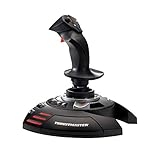
4. Thrustmaster T-Flight Stick X (Compatible with Windows PC)
Overview:
The Thrustmaster T-Flight Stick X is a basic, no-frills joystick targeting absolute beginners in flight simulation. This plug-and-play device offers fundamental flight controls with minimal setup complexity, serving as an ultra-affordable entry point for users curious about virtual aviation.
What Makes It Stand Out:
The exclusive MAPPING and PRESET buttons allow on-the-fly profile switching without software. The rotating handle with integrated lock provides rudder control in a single-unit design. True plug-and-play functionality gets users airborne within minutes, while internal memory retains settings.
Value for Money:
Priced under $50, this is among the cheapest recognizable-brand joysticks available. It provides basic functionality for casual flight exploration but quickly reveals limitations compared to even entry-level HOTAS systems. It’s a disposable test product rather than long-term investment.
Strengths and Weaknesses:
Strengths include dead-simple installation, stable weighted base, affordable price point, and adequate precision for casual use. Weaknesses involve severely limited 5-axis control, dated design, cheap plastic construction, lack of separate throttle, and insufficient buttons for modern simulations.
Bottom Line:
The T-Flight Stick X suits only the most budget-conscious newcomers wanting to trial flight sims. For any serious engagement, the T-Flight Hotas X provides vastly superior value. Purchase this only if you’re uncertain about your interest and want minimal financial risk.
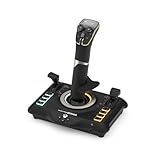
5. Turtle Beach VelocityOne Flightstick Universal Simulation Controller Joystick for Air & Space Combat Simulation - Xbox Series X, Xbox Series S, Xbox One, Windows 10, and Windows 11 PCs
Overview:
The Turtle Beach VelocityOne Flightstick is a modern, premium joystick designed for both Xbox consoles and PC, featuring cutting-edge technology like non-contact sensors and an integrated OLED display. This versatile controller bridges console and PC flight simulation with sophisticated features.
What Makes It Stand Out:
The non-contact main axes eliminate wear and drift while providing exceptional precision. The OLED Flight Management Display enables real-time configuration without software. Customizable throttle and flap levers, plus 27 programmable buttons, deliver extensive control. Native Xbox compatibility sets it apart from PC-only competitors.
Value for Money:
At around $130, it commands a premium over entry-level sticks but offers unique Xbox support and modern features absent in similarly priced competitors. The build quality and precision rival more expensive options, making it a solid mid-range investment for cross-platform users.
Strengths and Weaknesses:
Strengths include exceptional precision with non-contact sensors, seamless Xbox/PC compatibility, innovative OLED display, robust build quality, and customizable controls. Weaknesses involve limited throttle control compared to full HOTAS, higher price than PC-only alternatives, and smaller button count than premium HOTAS systems.
Bottom Line:
For Xbox Series X|S owners or PC pilots wanting modern features, the VelocityOne Flightstick excels. It provides near-premium performance with innovative design elements, though dedicated PC users might find better value in traditional HOTAS setups.
6. Thrustmaster T-Flight Hotas One Flight Stick Controller for PC & Xbox Series X|S, Precision Joystick with Detachable Throttle, Realistic Flight Simulator Controller

Overview: The Thrustmaster T-Flight Hotas One serves as the gateway drug to serious flight simulation for console and PC gamers alike. This HOTAS (Hands On Throttle-And-Stick) system delivers a surprisingly robust feature set at an entry-level price point, with full compatibility for both Xbox Series X|S and Windows PC through simple USB plug-and-play connectivity. The modular design incorporates a detachable throttle unit that can be positioned independently or used together with the joystick, accommodating everything from desktop setups to living room couch flying sessions.
What Makes It Stand Out: The standout feature is undoubtedly its cross-platform versatility—few HOTAS systems work seamlessly with Xbox consoles. The detachable throttle module offers genuine configuration flexibility, while the adjustable resistance dial lets you fine-tune stick tension for different aircraft types. With 14 action buttons, a rapid-fire trigger, and multidirectional hat switch, it packs enough controls for most civilian and combat flight scenarios without overwhelming newcomers.
Value for Money: At its price bracket, the T-Flight Hotas One dominates the entry-level market. Competing alternatives either lack Xbox support or cost significantly more. While plastic construction keeps costs down, the functionality-per-dollar ratio is exceptional for beginners wanting authentic flight controls without investing in high-end gear.
Strengths and Weaknesses: Strengths include versatile setup options, intuitive plug-and-play operation, solid Xbox/PC compatibility, and adjustable resistance. Weaknesses involve all-plastic construction that feels somewhat toy-like, limited button count for complex aircraft, and precision that falls short of mid-range alternatives. The throttle slider lacks detents, making precise power management challenging.
Bottom Line: Perfect for console flight sim newcomers and budget-conscious PC pilots. The T-Flight Hotas One delivers authentic HOTAS functionality without breaking the bank, though serious enthusiasts will eventually crave more precision and build quality. It’s the ideal starter kit that proves its worth many times over.
7. Thrustmaster T-Flight Hotas One Microsoft Flight Simulator 2024 Collector’s Edition – Flight Stick & Throttle Controller for Xbox Series X|S & PC, Official Flight Simulator Controller

Overview: The Thrustmaster T-Flight Hotas One Microsoft Flight Simulator 2024 Collector’s Edition elevates the standard T-Flight platform with official licensing and enhanced precision for the definitive flight simulation experience. Retaining the same ergonomic design and detachable throttle architecture, this version specifically targets MSFS 2024 enthusiasts with optimized button mapping and improved sensor resolution. The controller maintains full Xbox Series X|S and PC compatibility while adding features that serious virtual pilots will appreciate.
What Makes It Stand Out: Official Microsoft Flight Simulator endorsement ensures seamless integration and pre-configured controls that work flawlessly out of the box. The upgraded 10-bit precision sensors deliver noticeably smoother control inputs, while the innovative dual rudder system offers both Z-axis twist and a dedicated throttle-mounted rudder lever. This flexibility lets you choose your preferred yaw control method or even use both for different aircraft types. The collector’s edition branding adds aesthetic appeal for franchise fans.
Value for Money: Commanding a modest premium over the standard T-Flight Hotas One, this edition justifies the extra cost through enhanced precision and official MSFS optimization. For dedicated Microsoft Flight Simulator players, the time saved configuring controls and the improved accuracy during critical flight phases represent solid value. However, casual users may not notice the precision gains enough to warrant the price difference.
Strengths and Weaknesses: Strengths include official MSFS 2024 compatibility, improved 10-bit precision, versatile dual rudder controls, and the same excellent modular design. Weaknesses mirror the standard version: predominantly plastic construction, limited buttons for complex airliners, and a throttle that could benefit from more resistance and detents. The premium pricing primarily buys licensing and marginal sensor improvements.
Bottom Line: This is the definitive T-Flight Hotas One for Microsoft Flight Simulator devotees. The enhanced precision and official integration streamline your virtual flying experience, making it worth the small premium for serious MSFS 2024 pilots. Casual flyers should stick with the standard version.
8. Thrustmaster T16000M FCS Flight Pack (Compatible with PC)

Overview: The Thrustmaster T16000M FCS Flight Pack represents the ultimate mid-tier solution for PC flight simulation enthusiasts seeking comprehensive controls without premium pricing. This complete ecosystem includes the acclaimed T16000M joystick, TWCS throttle, and TFRP rudder pedals—covering all three primary flight control axes. Built around Thrustmaster’s proprietary H.E.A.R.T HallEffect AccuRate Technology, the system delivers magnetic sensor precision that won’t degrade over time, ensuring consistent performance through countless flight hours.
What Makes It Stand Out: The ambidextrous joystick design stands alone in its class, with three removable components that allow perfect left or right-handed configuration. The T.A.R.G.E.T software enables sophisticated profile creation with drag-and-drop programming, letting you customize controls for any aircraft or simulation title. The TWCS throttle features 14 buttons and an analog stick, while the TFRP pedals provide smooth, realistic rudder control—creating a truly professional-grade setup at a fraction of high-end costs.
Value for Money: As a bundled package, the Flight Pack offers substantial savings over purchasing components separately. The Hall effect sensors alone justify the price, delivering precision typically found in controllers costing twice as much. For serious PC simmers wanting a complete, non-plastic alternative to entry-level gear, this represents exceptional long-term value.
Strengths and Weaknesses: Strengths include unparalleled precision at this price point, ambidextrous versatility, comprehensive control set, and powerful software customization. Weaknesses involve a primarily plastic throttle construction that feels less premium than the joystick, occasional T.A.R.G.E.T software quirks, and pedal slides that require carpet or mounting solutions. The sheer number of controls can overwhelm beginners.
Bottom Line: The T16000M FCS Flight Pack is the sweet spot for dedicated PC flight simmers. It delivers near-premium precision and a complete control ecosystem at a mid-range price. If you’re serious about virtual aviation and want hardware that grows with your skills, this package is impossible to beat.
9. Thrustmaster T16000M FCS (Compatible with PC)

Overview: The Thrustmaster T16000M FCS joystick delivers exceptional precision in a standalone package that punches well above its weight class. Built around the same H.E.A.R.T HallEffect AccuRate Technology as its Flight Pack sibling, this PC-exclusive controller offers magnetic sensor precision that maintains accuracy indefinitely—unlike potentiometer-based sticks that degrade with use. The ergonomic design accommodates both left and right-handed pilots through a clever system of reversible components, making it uniquely versatile in the crowded joystick market.
What Makes It Stand Out: The 16 action buttons feature braille-style identification, allowing you to locate controls by touch without looking away from the screen. Combined with an 8-way POV hat switch and 4 independent axes (including twist rudder), it provides comprehensive control for most aircraft types. The T.A.R.G.E.T software integration enables complex macros and custom profiles, transforming this seemingly simple joystick into a highly adaptable command center for any simulation.
Value for Money: This joystick offers the best price-to-precision ratio in its category. Hall effect sensor technology typically commands premium prices, yet Thrustmaster delivers it at a budget-friendly level. For PC simmers who already own a separate throttle or want to build their setup incrementally, this represents phenomenal value that rivals controllers costing significantly more.
Strengths and Weaknesses: Strengths include magnetic sensor precision, ambidextrous design, excellent button layout with tactile identification, and powerful software support. Weaknesses include PC-only compatibility, lack of included throttle, twist rudder that may feel imprecise to purists, and plastic construction that, while solid, doesn’t match premium metal sticks. The base could be heavier for stability.
Bottom Line: For PC flight simmers seeking precision on a budget, the T16000M FCS joystick is a no-brainer. Its Hall effect sensors and ambidextrous design make it uniquely valuable, though you’ll eventually want to pair it with a separate throttle for the full experience. It’s the best standalone joystick under $100.
10. Thrustmaster HOTAS Warthog Flight Stick for Flight Simulation, Official Replica of the U.S Air Force A-10C Aircraft (Compatible with PC)

Overview: The Thrustmaster HOTAS Warthog Flight Stick represents the pinnacle of consumer flight simulation hardware, delivering an exacting replica of the U.S. Air Force A-10C attack aircraft’s flight stick. Crafted entirely from metal with a detachable handle, this standalone joystick weighs over six pounds, providing stability that eliminates unwanted movement during aggressive maneuvers. As the creator of the original HOTAS concept, Thrustmaster built the Warthog to satisfy the most demanding virtual pilots who accept no compromises in build quality or authenticity.
What Makes It Stand Out: Nineteen action buttons—including multiple 8-way hats, a 4-way hat with push, dual metal triggers, and pinkie switches—provide unmatched control density. The military-grade construction uses genuine metal for both the base and grip, creating a tactile experience that plastic controllers simply cannot replicate. USB connectivity with upgradeable firmware ensures future compatibility, while the weighted base delivers rock-solid stability without requiring permanent mounting.
Value for Money: This premium-priced stick targets serious enthusiasts who prioritize authenticity and durability above all. While expensive, its metal construction and precise engineering justify the cost for dedicated virtual pilots. Consider it a long-term investment that will outlast multiple generations of software and potentially cheaper controllers. However, it requires purchasing a separate throttle for complete HOTAS functionality, significantly increasing total system cost.
Strengths and Weaknesses: Strengths include exceptional all-metal build quality, realistic A-10C replication, extensive button layout, weighted stability, and upgradeable firmware. Weaknesses involve extremely high price, significant weight that complicates repositioning, lack of included throttle, PC-only compatibility, and overwhelming complexity for casual users. The stiff action may fatigue some pilots during long sessions.
Bottom Line: The HOTAS Warthog is the ultimate flight stick for serious enthusiasts and A-10C aficionados. Its unmatched build quality and authentic design come at a steep price, but for virtual pilots who demand the best, nothing else compares. Pair it with the Warthog throttle for the definitive civilian flight sim experience.
Understanding Flight Stick Technology
Modern flight sticks leverage several distinct technologies to translate your physical inputs into precise digital commands. The underlying sensor mechanism determines not only accuracy but also long-term reliability and maintenance requirements.
Hall Effect Sensors Explained
Hall effect sensors represent the gold standard for flight stick precision in 2026. These contactless magnetic sensors detect position changes without physical wear, offering exceptional durability and consistent performance over years of use. Unlike traditional mechanisms, hall effect sensors eliminate the friction and degradation that can cause drift or dead zones, ensuring your control inputs remain accurate even after thousands of flight hours. The technology works by measuring changes in magnetic fields as the stick moves, providing smooth, linear response curves that pilots prefer for fine control adjustments.
Potentiometer vs Contactless Technology
Potentiometers, the older technology still found in budget-friendly options, use physical contacts that wear down over time. While they offer acceptable performance for beginners, their lifespan typically ranges from 6-18 months of regular use before requiring replacement or maintenance. Contactless alternatives, including hall effect and optical sensors, have become increasingly affordable and now dominate the mid-range market. These systems provide superior longevity and precision, making them a worthwhile investment for anyone serious about flight simulation.
Force Feedback Mechanisms
Advanced flight sticks incorporate force feedback systems that simulate the physical sensations pilots experience in real aircraft. These mechanisms use motors and actuators to recreate control surface resistance, stall buffeting, and other tactile cues. In 2026, the latest implementations offer programmable resistance profiles that can be customized for different aircraft types, from the light control forces of a general aviation plane to the heavy, hydraulic feel of a commercial airliner.
Key Features to Consider in 2026
When evaluating flight sticks, certain features have become essential for a realistic experience. The configuration and accessibility of these elements can significantly impact your virtual flying proficiency.
Axis Count and Configuration
Entry-level sticks typically offer three axes (pitch, roll, and yaw via twist), while advanced systems provide up to eight or more independent axes. The additional axes often control throttle, propeller pitch, mixture, and other engine parameters. For helicopter simulation, collective control axes become crucial. Consider how many simultaneous controls you need access to during critical flight phases, as reaching for keyboard commands during landing approaches breaks immersion and can lead to virtual accidents.
Button Layout and Accessibility
The placement and number of programmable buttons directly affect your ability to keep your hands on the controls during complex maneuvers. Modern flight sticks feature anywhere from 12 to 30+ buttons, switches, and hats. Look for layouts that place primary functions within thumb reach and secondary controls on the stick base. Hatswitches should offer distinct tactile feedback for menu navigation, trim adjustment, and view control without requiring visual confirmation.
Throttle Integration Options
Integrated throttles range from simple slider controls to full dual-throttle quadrants with detents for afterburner engagement and idle cutoff. Some systems offer modular throttle units that can be positioned separately from the stick, replicating true HOTAS configurations. Consider whether you prefer the compactness of an integrated solution or the realism of separate components that mirror actual military and commercial cockpit layouts.
Types of Flight Control Systems
The flight simulation hardware market segments into distinct categories based on complexity, price, and intended use case. Understanding these tiers helps set realistic expectations and budget parameters.
Entry-Level Options for Beginners
Beginner-friendly flight sticks prioritize affordability and simplicity without sacrificing core functionality. These units typically feature plastic construction, basic sensor technology, and integrated throttles. While they lack the premium feel of higher-end equipment, they provide an excellent introduction to flight simulation, allowing newcomers to develop basic stick-and-rudder skills before investing in more sophisticated hardware. Most include plug-and-play functionality that works immediately with popular simulators like Microsoft Flight Simulator and X-Plane.
Mid-Range Solutions for Enthusiasts
Enthusiast-grade equipment strikes a balance between cost and performance, offering metal components where they matter most, improved sensor technology, and extensive programmability. These systems often feature modular designs that allow gradual expansion with separate throttle quadrants, rudder pedals, and switch panels. Build quality typically includes reinforced plastic construction with metal gimbals and contactless sensors, providing durability for daily use while remaining accessible to serious hobbyists.
Professional-Grade Equipment
Professional systems replicate actual cockpit hardware used in certified flight training devices. These feature all-metal construction, industrial-grade sensors with military-spec precision, and integration capabilities with professional simulation software. While carrying premium price tags, they offer unmatched realism, reliability, and customization options. Many include official licensing from aircraft manufacturers and can be configured to match specific cockpit layouts for type-specific training scenarios.
Build Quality and Materials
The physical construction of your flight stick determines not only its lifespan but also the tactile feedback and immersion level you’ll experience during long flight sessions.
Plastic Construction Pros and Cons
High-impact polymers keep costs down while providing adequate durability for casual users. Modern engineering plastics offer surprising rigidity and can withstand normal gaming stresses. However, plastic components may develop flex over time, affecting precision. Look for reinforced stress points and quality molding that eliminates sharp edges or weak junctions. Premium plastics with glass fiber reinforcement provide an excellent middle ground between cost and durability.
Metal Components and Durability
Metal construction appears in high-wear areas like the gimbal mechanism, base plate, and throttle rails on quality units. Aluminum alloys offer lightweight strength, while steel components provide ultimate durability in pivot points. The weight of metal construction also improves stability, preventing the unit from sliding during aggressive maneuvers. Some premium sticks feature magnesium alloy castings that combine light weight with exceptional rigidity, though these command higher prices.
Grip Materials and Textures
The grip material affects comfort during extended missions and control precision during sweaty-palm situations. Soft-touch rubber coatings provide excellent grip but can degrade over time, becoming sticky or peeling. Textured hard plastics offer longevity but may feel less premium. High-end units use genuine leather wraps or advanced polymer textures that mimic aircraft control yokes. Consider your climate and session length when evaluating grip materials, as comfort directly impacts performance.
Precision and Sensitivity Metrics
Technical specifications translate directly to in-sim performance. Understanding these metrics helps separate marketing claims from actual capability.
Dead Zones and Centering
Dead zones represent areas around the stick’s center position where input doesn’t register, preventing unwanted inputs from hand tremors or sensor drift. Quality sticks offer adjustable dead zones through software, allowing customization for different aircraft types. Centering behavior—how the stick returns to neutral—should be smooth and consistent without sticking or overshooting. Advanced units use cam-and-spring systems that can be tuned for different resistance profiles.
Resolution and Bit Depth
Resolution, measured in bits, determines how many discrete positions the stick can detect across its range of motion. A 16-bit sensor provides 65,536 positions per axis, while 12-bit offers 4,096. For general aviation simulation, 12-bit resolution proves sufficient, but combat aviation and helicopter flying benefit from 16-bit precision for smooth aiming and hovering. Some 2026 models advertise 24-bit resolution, though practical benefits diminish beyond 16-bit for human control inputs.
Calibration Techniques
Proper calibration ensures your physical stick movements accurately translate to virtual control surface deflection. Modern flight sticks include automatic calibration routines that run at startup, but manual calibration remains valuable for fine-tuning. Look for software that allows per-axis calibration curves, letting you create non-linear responses that match real aircraft behavior. Some advanced systems offer multiple calibration profiles that can be switched mid-flight for different flight regimes.
Customization and Programmability
The ability to tailor your flight stick’s behavior to specific aircraft and personal preferences separates good controllers from great ones.
Software Suite Capabilities
Companion software should offer intuitive mapping interfaces, macro creation, and profile management without requiring advanced programming knowledge. The best suites provide graphical representations of your hardware, drag-and-drop button assignment, and the ability to create complex conditional commands. Look for software that runs lightweight in the background and doesn’t interfere with simulator performance. Cloud-based profile storage has become increasingly common, allowing you to sync settings across multiple computers.
Profile Management Systems
Sophisticated profile systems let you create aircraft-specific configurations that load automatically when you launch a particular simulator or even a specific aircraft. This automation eliminates the frustration of manually reconfiguring controls between a Cessna 172 and an F-16. Advanced systems can detect the active window and switch profiles accordingly, ensuring your button mappings always match your current virtual aircraft.
Community Modding Support
Active user communities often develop enhancements for popular flight sticks, including custom springs, extended sticks for helicopter control, and 3D-printed button accessories. Hardware that supports community modifications offers extended value and customization options beyond the manufacturer’s original design. Check forums and social media groups for your prospective purchase to gauge community activity and available mods.
Compatibility Considerations
Your flight stick must integrate seamlessly with your existing hardware and software ecosystem to provide a frustration-free experience.
Windows Integration
Windows remains the dominant platform for flight simulation, and most hardware offers native plug-and-play support. However, driver quality varies significantly between manufacturers. Look for devices with WHQL-certified drivers that integrate properly with Windows’ game controller interface. Some advanced sticks expose themselves as multiple devices, allowing separate mapping of stick, throttle, and rudder functions in simulators that support multiple controller inputs.
macOS and Linux Support
While smaller markets, macOS and Linux flight simulation communities continue growing. Hardware support varies widely, with some manufacturers providing full-featured drivers and others offering basic HID compliance only. Community-developed drivers often fill gaps, but functionality may be limited. If you sim on multiple platforms, verify cross-platform support before purchasing, as reprogramming buttons for different operating systems becomes tedious.
Console Connectivity
With flight simulation expanding to console platforms, some modern flight sticks offer cross-platform compatibility. This feature typically requires firmware switching and may limit advanced functionality when connected to consoles. Consider whether this flexibility matters for your setup, as console-compatible models often carry a price premium while potentially compromising PC-specific features.
Ergonomics and Comfort
Extended flight sessions demand hardware that fits your body and flying style to prevent fatigue and repetitive strain injuries.
Hand Size and Grip Styles
Flight sticks accommodate different hand sizes through adjustable grips, removable palm rests, and multiple button positions. Large hands may struggle with compact units designed for console controllers, while small hands can have difficulty reaching controls on oversized professional units. Measure your hand span and compare it to product dimensions, or preferably test units in person. Grip styles vary from the full-hand wrap of fighter jet sticks to the finger-tip precision of helicopter cyclic controls.
Left-Handed Options
Left-handed pilots traditionally faced limited choices, but 2026 sees increased availability of ambidextrous designs and dedicated left-hand models. Some sticks offer reversible grips or modular button arrangements that can be reconfigured for southpaw use. Throttle units increasingly come in left-hand and right-hand variants, allowing true customization for left-handed dominance.
Mounting and Desk Setup
Desk clamps, suction cups, and weighted bases offer different stability solutions. Clamp mounts provide the most secure attachment but require desk edge access and may damage surfaces. Weighted bases offer flexibility but can slide during aggressive inputs. Professional setups often use dedicated mounting brackets or integrate with cockpit chassis. Consider your available space, desk construction, and whether you need to frequently stow your equipment when not in use.
Advanced Features for Realism
Cutting-edge flight sticks incorporate features that go beyond basic control inputs, enhancing immersion and training value.
Dual Throttle Quadrants
Separate throttle units with dual controls allow realistic multi-engine aircraft operation, including differential thrust for taxiing and engine-out procedures. Detents for afterburner engagement, idle cutoff, and reverse thrust provide tactile feedback for critical power settings. Some advanced throttles include friction adjustments, allowing you to match the heavy feel of large transport aircraft or the light touch of general aviation planes.
Rudder Controls and Pedals
While many sticks include twist-grip yaw control, serious simulation benefits from separate rudder pedals. Pedals provide more precise control and allow natural heel-toe braking technique. Quality pedal sets feature adjustable tension, toe brake axes, and sturdy construction that won’t slide on smooth floors. Some integrate with the flight stick’s software for unified calibration and profile management.
VR Integration Capabilities
Virtual reality flying demands different hardware considerations. Flight sticks with distinct tactile landmarks allow blind operation, essential when you can’t see your physical controls. Raised button textures, differently shaped hatswitches, and pronounced detents help you locate controls by feel alone. Some 2026 models include haptic feedback that can be felt through VR gloves, providing an additional layer of immersion.
Price Tiers and Value Propositions
Understanding what you get at different price points helps align your budget with realistic expectations and long-term goals.
Budget-Friendly Features
Sub-$100 flight sticks focus on core functionality, typically offering plastic construction, basic sensors, and integrated throttles. While lacking premium materials, these units provide genuine flight simulation capability and serve as excellent entry points. Look for replaceable components and upgrade paths that prevent your initial investment from becoming obsolete as your skills progress.
Premium Justifications
$300-$600 equipment justifies its price through metal construction, contactless sensors, modular designs, and extensive programmability. These sticks often include features like adjustable cams, interchangeable springs, and premium software suites. The investment pays dividends in durability and realism, with many users reporting decade-long lifespans from well-maintained mid-range equipment.
Long-Term Investment Value
Professional-grade systems exceeding $600 target serious enthusiasts and actual pilot training applications. The cost reflects industrial-grade components, official aircraft licensing, and integration with certified simulation software. While overkill for casual users, these systems retain value exceptionally well and often include upgrade paths that protect your investment as technology evolves.
Setting Up Your Flight Stick
Proper installation and configuration maximize your hardware’s potential and prevent common frustrations that plague new flight sim enthusiasts.
Driver Installation Best Practices
Always download the latest drivers directly from the manufacturer’s website rather than using included discs, which are inevitably outdated. Install drivers before connecting the hardware, and restart your computer to ensure proper Windows integration. Create a system restore point before installation, as poorly written drivers can occasionally cause conflicts with other gaming peripherals.
In-Game Configuration Tips
Start with the flight stick’s default mapping, then gradually customize based on your flying patterns. Assign primary flight controls first, then add secondary functions as you develop muscle memory. Use simulator-specific control profiles rather than generic joystick mappings for better aircraft behavior. Test your configuration in a simple aircraft before attempting complex procedures in high-fidelity airliners or combat jets.
Troubleshooting Common Issues
Stick drift often resolves through recalibration or adjusting dead zones in software. Unresponsive buttons may indicate driver conflicts or require firmware updates. If your stick isn’t recognized, try different USB ports—avoid hubs for flight sticks, as they can introduce latency. Persistent issues often have solutions in community forums where experienced users share specific fixes for known problems.
Maintenance and Longevity
Protecting your investment through proper care ensures consistent performance and extends the useful life of your flight stick well beyond warranty periods.
Cleaning and Care Routines
Dust and oils from hands gradually degrade performance and appearance. Use compressed air to remove debris from button crevices and hatswitch mechanisms monthly. Wipe grips with slightly damp microfiber cloths—avoid alcohol-based cleaners that can damage rubber coatings. For metal components, occasional application of appropriate lubricants keeps moving parts smooth, but consult manufacturer guidelines to avoid using incompatible products.
Firmware Update Procedures
Manufacturers release firmware updates to fix bugs, improve compatibility, and occasionally add features. Check for updates quarterly, but read release notes carefully before installing. Some updates reset custom configurations, so back up your profiles first. Follow update instructions exactly—interrupting a firmware flash can permanently damage your hardware.
Wear Item Replacement
Springs, cams, and grip covers eventually wear out even on premium units. Quality manufacturers sell replacement parts and provide disassembly guides. Learning to replace these components yourself extends your stick’s lifespan indefinitely and allows customization of feel. Keep spare springs on hand if you fly daily, as they typically wear first.
Future Trends in Flight Simulation
The flight simulation hardware landscape continues evolving rapidly, with several emerging technologies poised to redefine realism in 2026 and beyond.
AI-Assisted Calibration
Artificial intelligence is beginning to automate the tedious calibration process. New systems can analyze your flying style and automatically adjust sensitivity curves, dead zones, and response profiles for optimal performance. Some can even detect when you’re struggling with specific maneuvers and suggest control adjustments to improve your technique.
Haptic Advancements
Next-generation haptic feedback goes beyond simple vibrations, simulating subtle control surface buffets, runway texture, and even the click of switches. These systems use advanced actuators that can produce directional forces and textures, providing cues that enhance situational awareness without visual confirmation. Early implementations show promise for stall warning and landing feedback.
Cloud Profile Syncing
Cloud-based configuration management allows you to maintain consistent settings across multiple computers and automatically download community-vetted profiles for specific aircraft. This technology simplifies setup when upgrading hardware or flying at different locations, ensuring your carefully tuned controls travel with you.
Common Mistakes to Avoid
Learning from others’ errors saves money and frustration when selecting and using flight simulation hardware.
Overspending on Unneeded Features
Beginners often purchase professional-grade equipment before developing the skills to appreciate its capabilities. Start with a quality mid-range option and upgrade as your proficiency grows. Advanced features like programmable OLED displays and interchangeable cams provide little value until you understand how to leverage them effectively.
Ignoring Compatibility Requirements
Assuming all flight sticks work with all simulators leads to disappointment. Verify specific support for your primary simulation platform, especially if you use professional-grade software like Prepar3D or DCS World. Some features require direct integration that only certain manufacturers provide.
Neglecting Ergonomic Factors
Focusing solely on technical specifications while ignoring comfort results in equipment that collects dust. A technically inferior stick that fits your hand perfectly will see more use than an uncomfortable premium unit. Prioritize ergonomics, especially if you have pre-existing wrist or shoulder issues that long sessions could aggravate.
Frequently Asked Questions
What resolution do I need for realistic flight simulation?
For general aviation and commercial flying, 12-bit resolution (4,096 positions per axis) provides sufficient precision. Combat simulation and helicopter flying benefit from 16-bit resolution (65,536 positions) for smooth tracking and precise hovering. Beyond 16-bit offers diminishing returns for human control inputs.
Should I buy a flight stick with an integrated throttle or separate units?
Integrated throttles offer convenience and lower cost, making them ideal for beginners or those with limited space. Separate throttle quadrants provide greater realism and flexibility for multi-engine aircraft operation. Consider your primary aircraft types and available desk space when deciding.
How long should a quality flight stick last?
With proper maintenance, mid-range flight sticks typically last 5-10 years. Contactless sensor models often outlast their potentiometer-based counterparts by a factor of three. Premium metal-construction units can last indefinitely with occasional replacement of wear items like springs and grip covers.
Can I use a flight stick designed for combat sims in civilian flight simulators?
Absolutely. Combat flight sticks often provide superior precision and more programmable buttons that benefit civil aviation. The reverse is also true—civil aviation hardware works perfectly in combat sims. Choose based on ergonomics and features rather than marketing labels.
What’s the difference between a flight stick and a HOTAS setup?
A flight stick is a single controller unit, while HOTAS (Hands On Throttle-And-Stick) refers to a two-part system with separate stick and throttle units. HOTAS setups mirror real military cockpit configurations and offer more controls within natural hand reach, but require more desk space and cost more.
Do I need rudder pedals if my stick has twist-grip yaw control?
Twist-grip yaw works adequately for beginners and casual flying. Rudder pedals provide more precise control and enable realistic heel-toe braking technique. They’re highly recommended for helicopter simulation and essential for proper crosswind landing technique in fixed-wing aircraft.
How important is software support when choosing a flight stick?
Software quality can make or break your experience. Good configuration software should be intuitive, reliable, and regularly updated. Poor software causes frustration through crashes, lost profiles, and compatibility issues. Research user reviews focusing specifically on software stability before purchasing.
Can flight sticks improve my real-world piloting skills?
FAA and EASA recognize certain flight simulation hardware for loggable training time when used with approved software. While consumer-grade equipment doesn’t qualify, practicing procedures, navigation, and emergency scenarios on realistic hardware builds muscle memory and decision-making skills that transfer to real aircraft.
What’s the best way to mount a flight stick to my desk?
Clamp mounts provide the most secure attachment for aggressive flying. Ensure your desk edge is thick enough for the clamp and that the material can withstand pressure without damage. Weighted bases offer flexibility but work best on high-friction surfaces. Dedicated cockpit frames provide the ultimate solution for permanent setups.
Should I wait for new technology or buy now?
The flight simulation hardware market evolves gradually rather than in revolutionary leaps. If current offerings meet your needs and budget, purchasing now makes sense. Waiting for specific announced features is reasonable, but indefinite waiting means missing out on valuable practice time. Quality equipment retains resale value well, allowing upgrades later without significant loss.
See Also
- 10 Expert-Recommended Flight Sticks for Beginners Learning to Fly in 2026
- Top 10 Best Flight Sticks for PC Flight Simulators in 2026
- 10 Expert-Recommended Flight Simulation Controllers for Beginners in 2026
- 10 Expert-Recommended Controller Hand Grips for Tactile Control in 2026
- We Tested 50 USB Flight Sticks - Here are the 10 Best for Precision Control in 2026